Hi,
I previously posted this question in the NODDI Google Group, but the forum no longer seems to be active, so I was hoping someone here might be able to help me troubleshoot an issue with my HCP-like diffusion data. I am having difficulties obtaining reasonable results with both the original NODDI toolbox and AMICO.
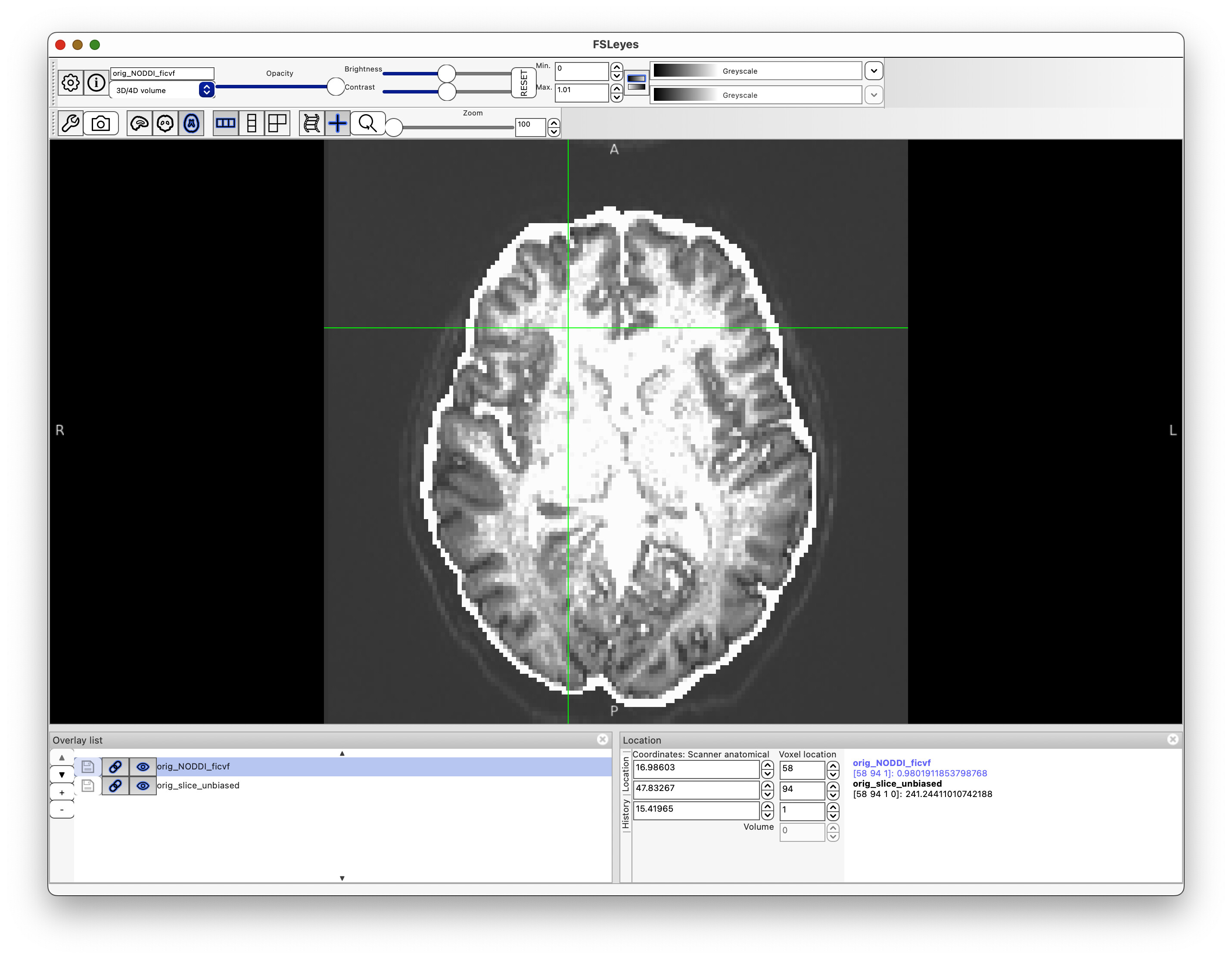
The problem is that the most of my FICVF values are approaching 1. This be related to the low signal in the highest b-value shell (b = 3000 s/mm²). However, we collected data using the standard HCP protocol, which has also been used in other studies using noddi model.
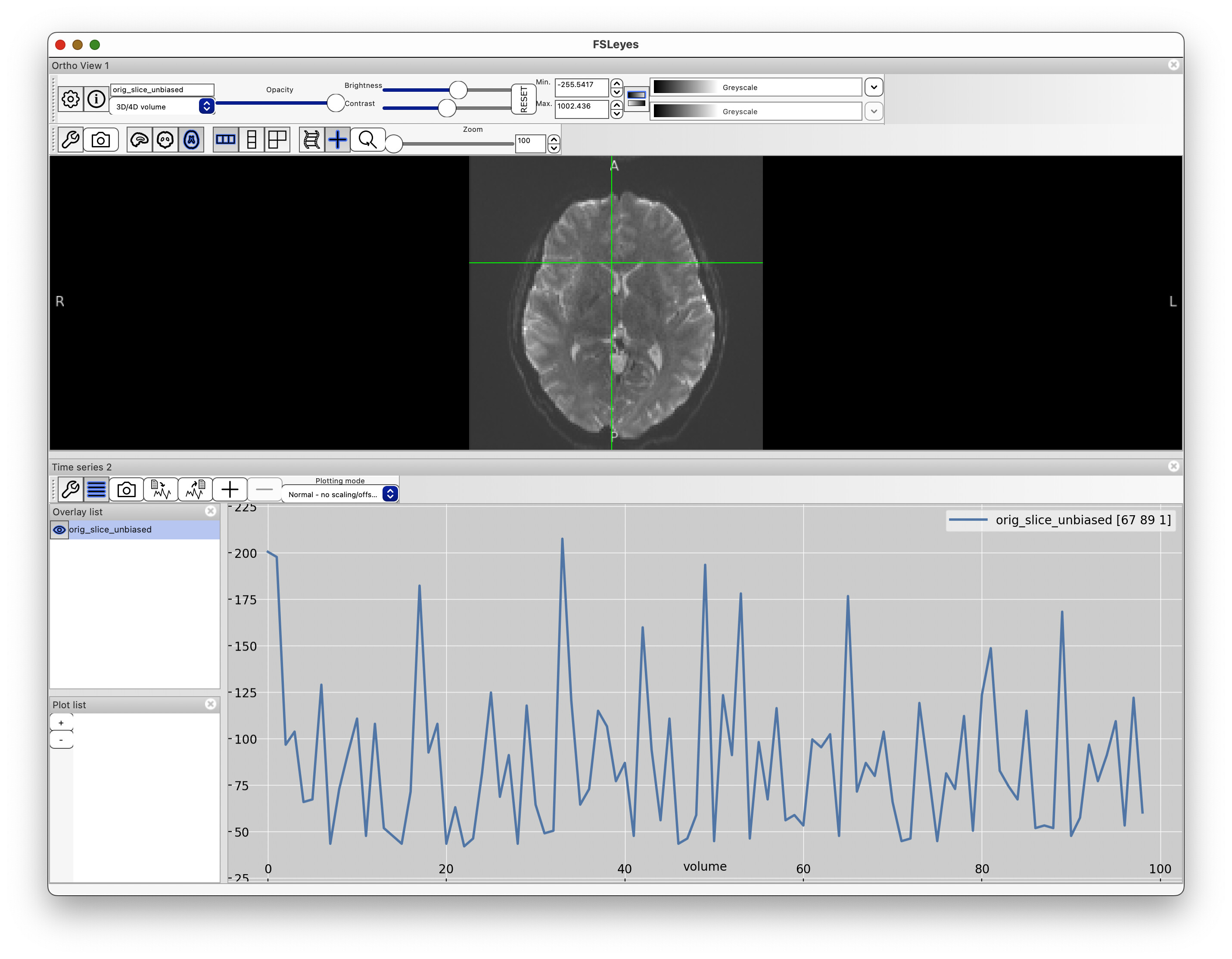
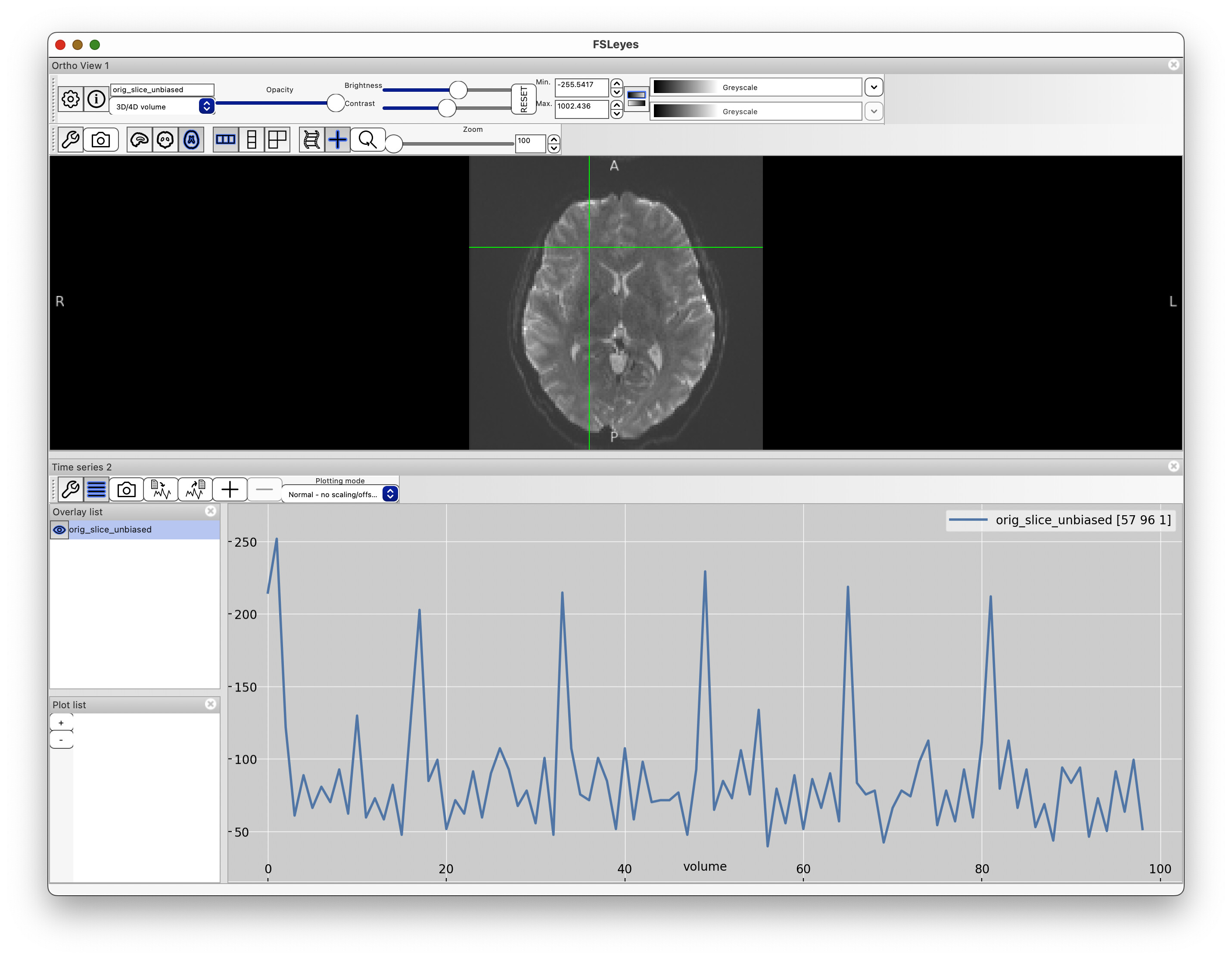
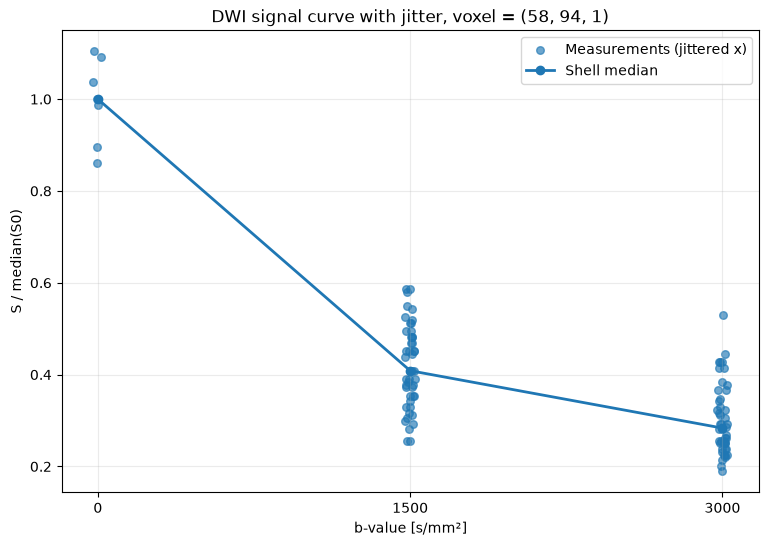
I plotted time series over different bvals and directions for three different locations and a signal attenuation plot for a frontal WM voxel with ficvf~1. The data has been minimally processed to rule out any preprocessing-related issues.
We acquired the scans on a 3T Prisma using an HCP protocol:
Shell 1: 93 directions, b=1500
Shell 2: 92 directions, b=3000
14 b0 volumes
TE=89.2 ms TR=3.23 s
1.5×1.5×1.5 mm resolution
Multiband=4
Coil combination=Sum of Squares
FSL2Protocol settings: delta=34.0 ms, DELTA=34.0 ms. Should I correct those values?
Is there anything I can do estimate more reasonable maps with these scans? I’ve already tried mrtrix3 pipeline with MPCA denosing and so on and also full qsiprep pipeline.
Looking forward to hearing from You
Bartosz Kossowski